Living here
An English Village, Planned by a Man Who Believed the Cow Is Always Right
In 1898 an English scholar named Francis Caulfeild was touring the coast with his daughter when the steamer put in at a little inlet then called Skunk Cove. He went ashore, explored and decided to stay. The next year he bought a large swath of the shoreline and set about building something no one else in West Vancouver was attempting: an English village, with a green, a church in the trees and narrow lanes that followed the land instead of a grid.
He named the roads after places he knew. Caulfeild was born in Clovelly in the English West Country, which is why you'll find Clovelly Walk here, along with Piccadilly and The Dale. And yes, he spelled his name with the e before the i, so the neighbourhood does too.
Caulfeild Cove and the Village
Caulfeild's first rule of planning, by local legend, was that the cow is always right: if the cattle found the easiest way up a slope, that was where the lane should go. The result, now called Lower Caulfeild or Olde Caulfeild, is a protected heritage conservation area of cottages, gardens and stone walls built into the landscape. At its heart is St. Francis-in-the-Wood, a small Anglican church on land Caulfeild gave in 1928, built the following year in the big trees above the cove. Before he died in 1934, he also gave the municipality about twenty-five hectares for parks, which is why so much of the shoreline here is public.
Lighthouse Park
Caulfeild's great neighbour is Lighthouse Park, seventy-five hectares of old-growth coastal forest at Point Atkinson. The federal government set it aside as a lighthouse reserve in 1881. That is the only reason its trees were never logged; some of the Douglas firs are around five hundred years old. Trails lead through the forest to granite bluffs and the 1912 Point Atkinson Lighthouse, a National Historic Site that still marks the entrance to Burrard Inlet. Admission and parking are free.
Things to Do
- Walk the Beacon Lane trail to the lighthouse, then find a flat rock for the sunset.
- Swim from Caulfeild Cove on a calm summer morning, or launch a kayak from the pebbles.
- Explore the network of small parks the neighbourhood shares with Lighthouse Park, including The Dale and North Piccadilly.
- Look inside St. Francis-in-the-Wood, or simply walk past its lych gate on the way to the water.
- Pick up groceries and coffee at Caulfeild Village, the shopping centre that opened in 1987 just off the highway.
The Homes
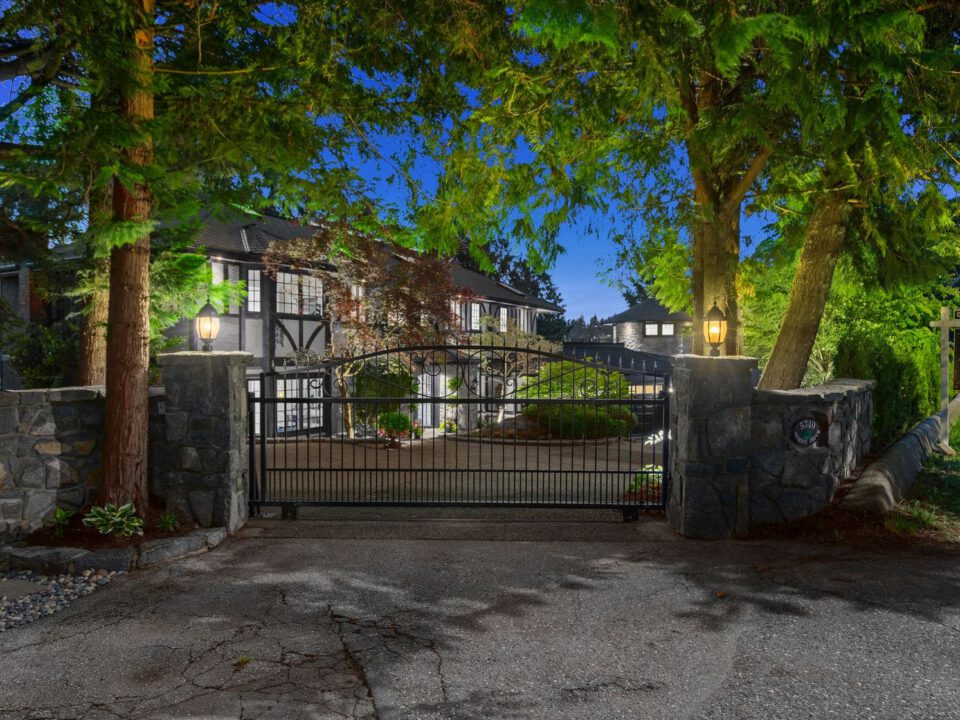
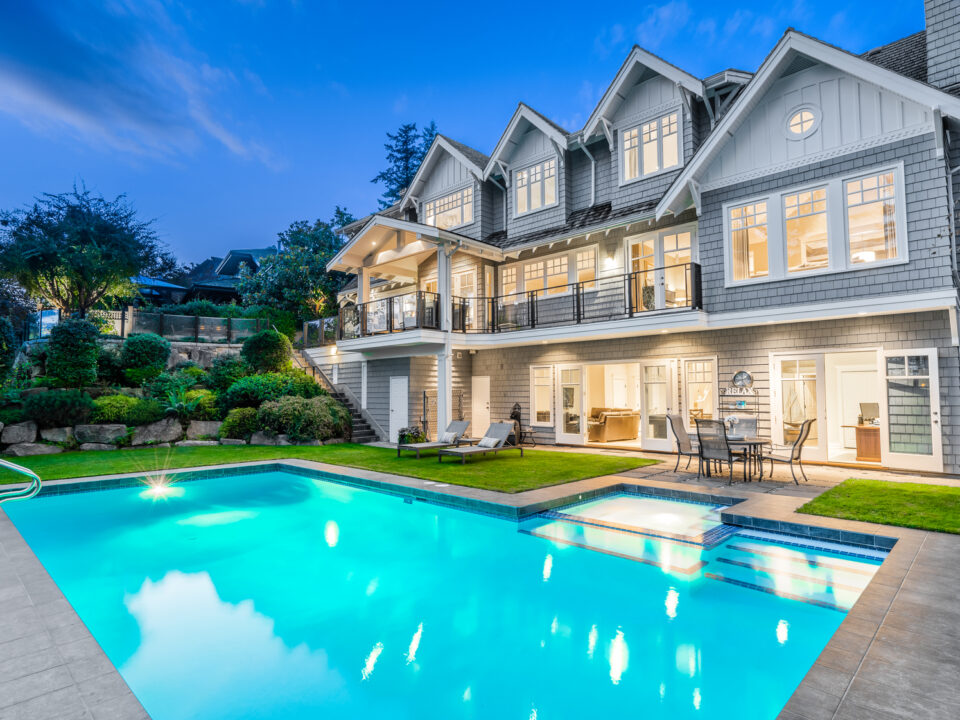
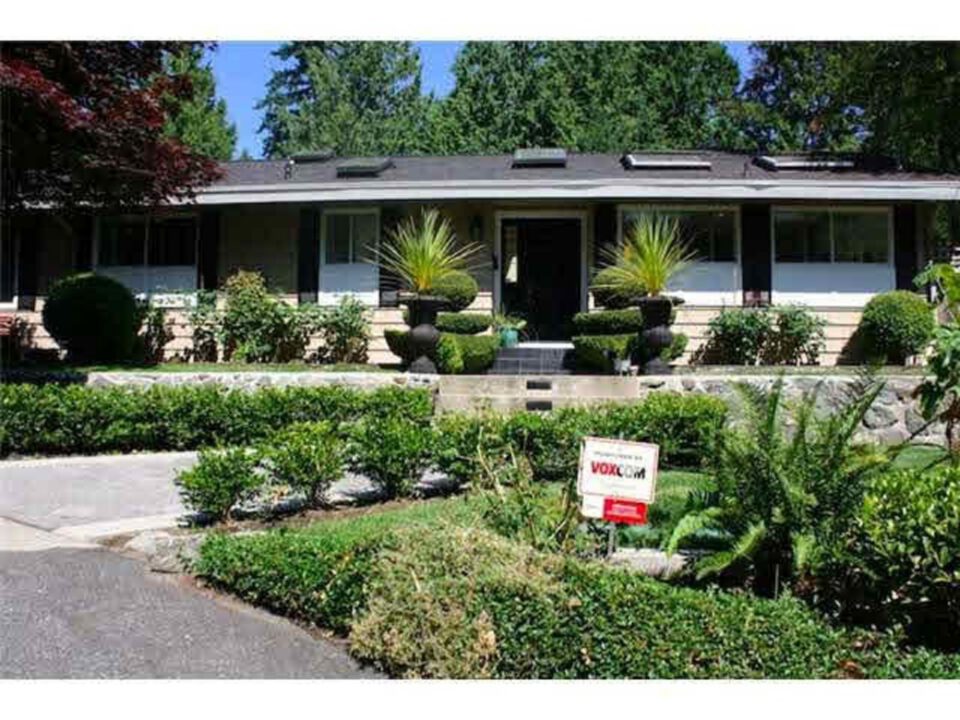
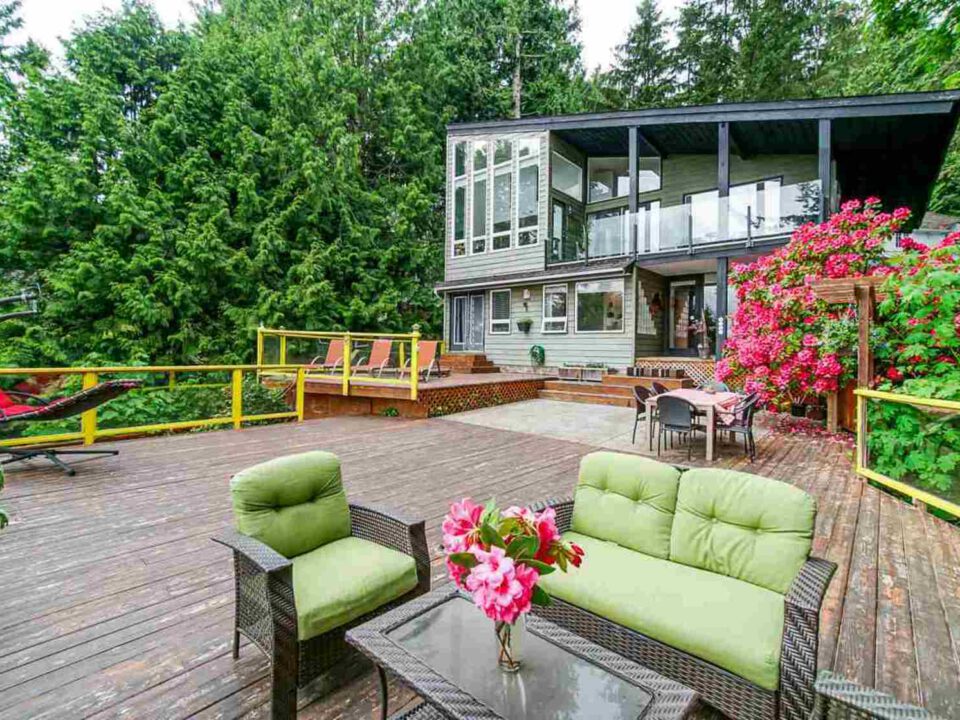
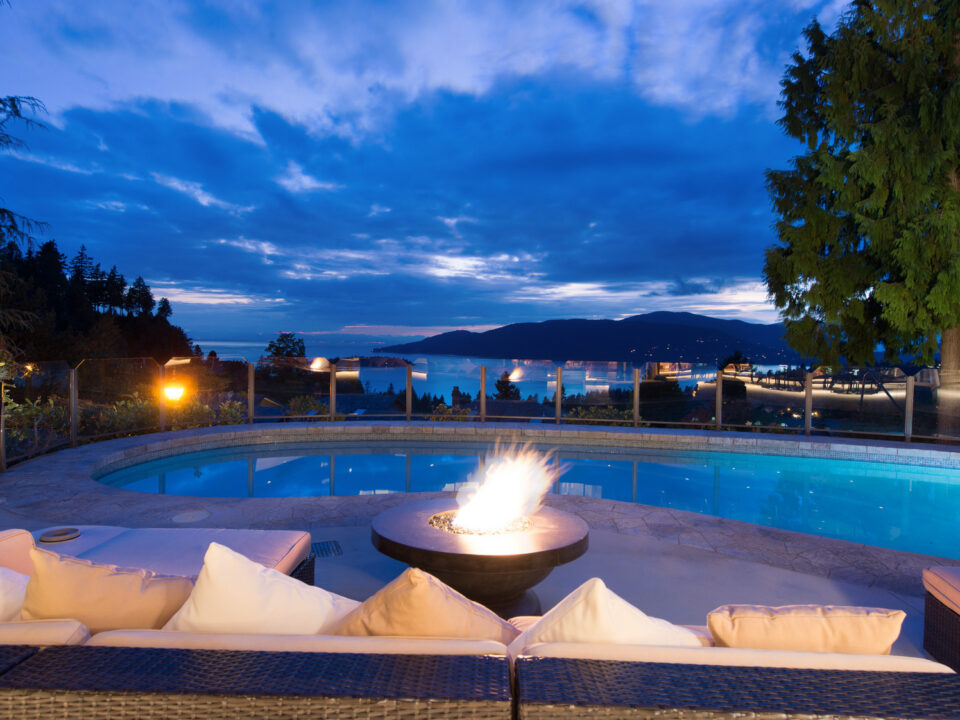
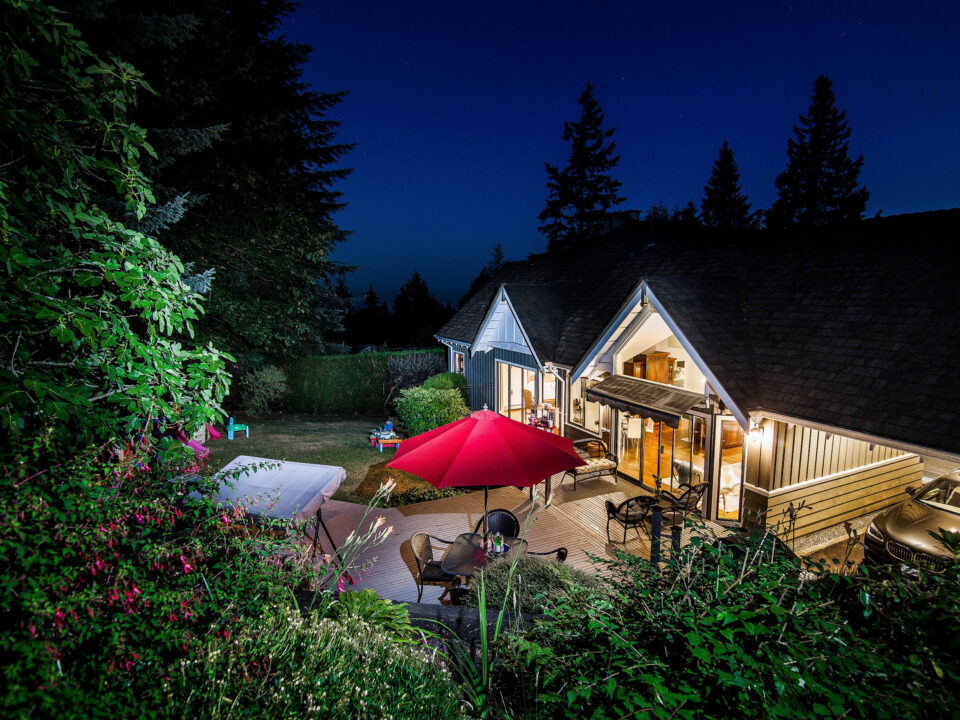
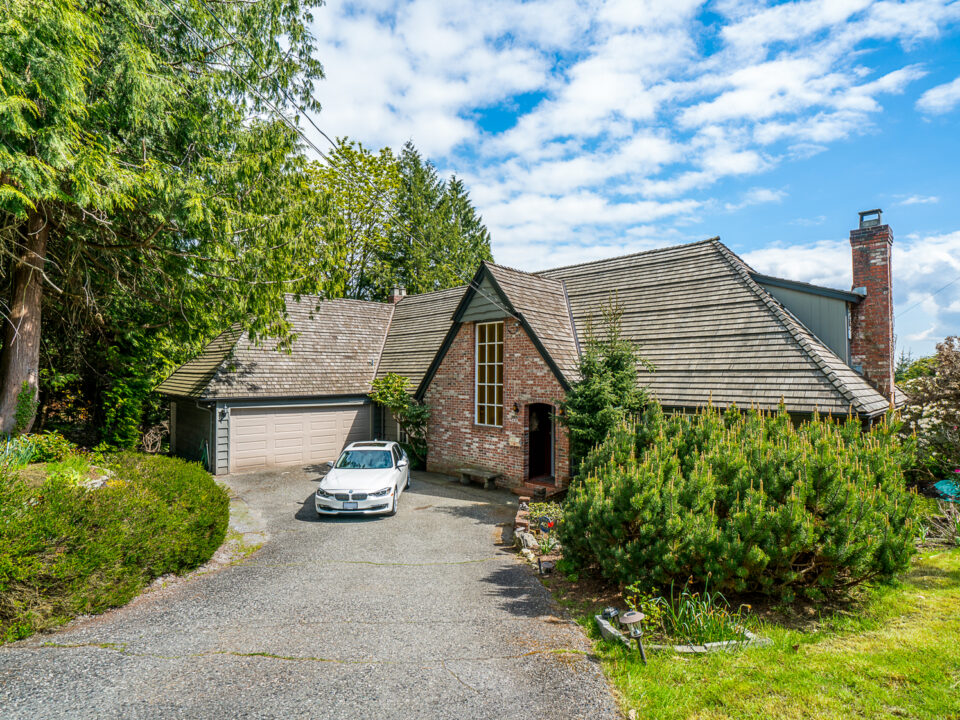
There are really two Caulfeilds. Lower Caulfeild, near the cove, holds the oldest homes: cottages and character houses on irregular, wooded lots, many with water views and some within the heritage conservation area, where renovations follow design guidelines. Upper Caulfeild grew from the 1970s onward, with larger family homes on quiet crescents and cul-de-sacs, many of them looking south over the Strait of Georgia. Both share the same mood: a place that feels much further from the city than it is.
Schools
Most of Caulfeild is in the catchment for Caulfeild Elementary and Rockridge Secondary. A few pockets near the edges go to Eagle Harbour Montessori or Cypress Park Primary for the early grades. Confirm any address on the school catchment map.
Getting Around
Marine Drive winds through Caulfeild toward Horseshoe Bay. The Upper Levels Highway is a few minutes up the hill. The Horseshoe Bay ferries are about ten minutes west. Downtown Vancouver is roughly thirty minutes away outside rush hour.